Hospital Textile Products- Types, Uses, and Benefits
Hospital textile products play a vital role in maintaining hygiene, patient comfort, and operational efficiency in healthcare facilities. From bed linens and patient gowns to surgical drapes and staff uniforms, these products are designed to meet strict healthcare standards. Hospitals rely on high-quality textiles to ensure safety, durability, and cleanliness. Choosing the right hospital textile products helps improve patient care while supporting infection control and daily medical operations.
What Are Hospital Textile Products?
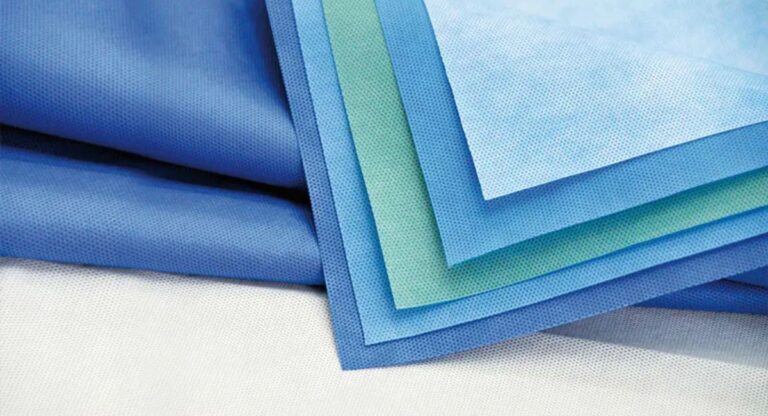
Hospital textile products are specialized fabrics and textile-based items used in healthcare environments. These products are manufactured to withstand frequent washing, sterilization, and continuous use while maintaining their quality and performance.
Unlike regular textiles, hospital textiles are designed with healthcare requirements in mind. They prioritize hygiene, durability, comfort, and ease of maintenance.
Importance of Hospital Textile Products
Healthcare facilities depend on textile products for daily operations. These items contribute to patient safety, staff efficiency, and overall hospital cleanliness.
Key Benefits
- Improve patient comfort
- Support infection control
- Enhance hygiene standards
- Provide durability for repeated use
- Reduce replacement costs
- Improve healthcare efficiency
Properly maintained hospital textiles help create a safer and more comfortable environment for patients and healthcare professionals.
Types of Hospital Textile Products
Hospitals use a wide range of textile products across different departments.
1. Hospital Bed Linen
Bed linen is one of the most commonly used hospital textile products. It includes:
- Bedsheets
- Pillow covers
- Blankets
- Mattress protectors
These products must be comfortable, durable, and easy to sanitize.
2. Patient Gowns
Patient gowns are designed to provide comfort while allowing medical staff easy access during examinations and treatments.
Features
- Lightweight fabric
- Comfortable fit
- Easy to clean
- Durable construction
Patient gowns are available in reusable and disposable options.
3. Surgical Drapes
Surgical drapes create a sterile barrier during medical procedures. They help reduce contamination risks and maintain a controlled surgical environment.
Benefits
- Infection prevention
- Fluid resistance
- High durability
- Enhanced patient protection
4. Healthcare Staff Uniforms
Doctors, nurses, and healthcare workers wear specialized uniforms designed for comfort and functionality.
Common Products
- Scrubs
- Lab coats
- Medical jackets
- Protective clothing
These garments are made from fabrics that can withstand frequent washing and sterilization.
5. Hospital Curtains
Privacy curtains are essential in patient rooms and treatment areas.
Advantages
- Patient privacy
- Easy maintenance
- Antimicrobial fabric options
- Long service life
Many hospitals choose flame-resistant and antimicrobial curtain materials for added safety.
Materials Used in Hospital Textile Products
The performance of hospital textiles depends largely on the materials used during manufacturing.
Common Materials
- Cotton
- Polyester
- Cotton-polyester blends
- Microfiber fabrics
- Antimicrobial textiles
These materials are selected for their durability, comfort, and ability to withstand repeated laundering.
Key Features of Quality Hospital Textile Products
When selecting hospital textile products, healthcare facilities should focus on quality and performance.
Essential Features
- High durability
- Easy sterilization
- Comfortable fabric
- Stain resistance
- Color retention
- Infection-control properties
Quality textiles help hospitals reduce maintenance costs while improving patient satisfaction.
Hospital Textile Products Comparison
| Product Type | Primary Use | Key Benefit |
| Bed Linen | Patient bedding | Comfort and hygiene |
| Patient Gowns | Patient wear | Easy examination access |
| Surgical Drapes | Surgical procedures | Infection control |
| Staff Uniforms | Healthcare workers | Comfort and protection |
| Privacy Curtains | Patient areas | Privacy and safety |
How Hospital Textile Products Support Infection Control
Infection prevention is a major concern in healthcare settings. Hospital textiles are designed to support strict hygiene protocols.
Many modern textile products feature antimicrobial treatments that help reduce bacterial growth. Regular washing and sterilization further ensure cleanliness and safety.
Proper textile management also helps minimize cross-contamination between patients and healthcare staff.
Choosing the Right Hospital Textile Products
Selecting the right products requires careful evaluation of quality, durability, and compliance with healthcare standards.
Factors to Consider
- Fabric quality
- Ease of cleaning
- Comfort level
- Durability
- Regulatory compliance
- Cost-effectiveness
Hospitals should work with trusted suppliers that specialize in healthcare textiles.
Future Trends in Hospital Textiles
The healthcare industry continues to adopt advanced textile technologies.
Emerging Trends
- Antimicrobial fabrics
- Smart healthcare textiles
- Sustainable materials
- Eco-friendly manufacturing
- Improved fluid-resistant fabrics
These innovations help hospitals improve safety, efficiency, and environmental responsibility.
FAQ’s
1.What are hospital textile products?
Hospital textile products are fabric-based items used in healthcare facilities, including bed linens, gowns, surgical drapes, uniforms, and privacy curtains.
2.Why are hospital textiles important?
They help maintain hygiene, improve patient comfort, support infection control, and enhance healthcare operations.
3.What materials are commonly used in hospital textiles?
Cotton, polyester, microfiber, and cotton-polyester blends are commonly used because of their durability and comfort.
4.How do hospital textile products help prevent infections?
Many products use antimicrobial fabrics and are designed to withstand regular sterilization and cleaning procedures.
5.What should hospitals consider when buying textile products?
Hospitals should consider durability, comfort, infection-control properties, compliance standards, and overall cost-effectiveness.
Conclusion
Hospital textile products are essential components of modern healthcare facilities. They support hygiene, patient comfort, infection control, and daily hospital operations. From bed linens and patient gowns to surgical drapes and staff uniforms, each product serves an important purpose. By investing in high-quality textile solutions, healthcare providers can improve safety, efficiency, and overall patient care while maintaining strict healthcare standards.
-2-768x512.webp)