Complete Guide to Garments Manufacturer Industry
A garments manufacturer plays a vital role in the fashion and textile industry by converting raw fabric into finished clothing products. This process includes designing, cutting, stitching, finishing, and packaging garments for retail or export markets. Modern manufacturers focus on quality, efficiency, and innovation to meet global fashion demands. The industry supports both small and large-scale businesses, making it one of the most important sectors for economic growth, employment generation, and international trade opportunities.
What is a Garments Manufacturer?
A garments manufacturer is a company or production unit that produces ready-to-wear clothing from raw materials.
It manages the entire production process, including fabric sourcing, pattern making, sewing, quality control, and final delivery. These manufacturers work with fashion brands, wholesalers, and retailers to supply clothing in bulk or custom orders depending on demand.
Types of Garments Manufacturing (Overview with Variations)
Garments manufacturing is divided into several categories based on product type and production method:
- Menswear manufacturing
- Womenswear production
- Kidswear manufacturing
- Sportswear production
- Casual clothing manufacturing
- Formal wear production
- Denim garment manufacturing
- Knitted garment production
- Woven fabric garments
- Uniform manufacturing
- Fast fashion production
- Luxury fashion manufacturing
- Private label manufacturing
- Export-oriented production
- Custom clothing manufacturing
- Small batch production
- Bulk industrial manufacturing
- Sustainable clothing production
- Organic fabric garments
- Activewear manufacturing
- Workwear production
- Streetwear manufacturing
- Bridal and party wear production
- Innerwear manufacturing
- Nightwear production
- Seasonal clothing production
These categories cover nearly all global fashion demands and continue to expand with market trends.
Garments Manufacturing Process
1. Design Development
Designers create clothing ideas based on market trends, customer needs, and seasonal fashion demands.
2. Fabric Selection
Appropriate fabrics such as cotton, polyester, denim, or blends are selected based on garment type.
3. Pattern Making
Patterns are created manually or digitally to define the shape and structure of garments.
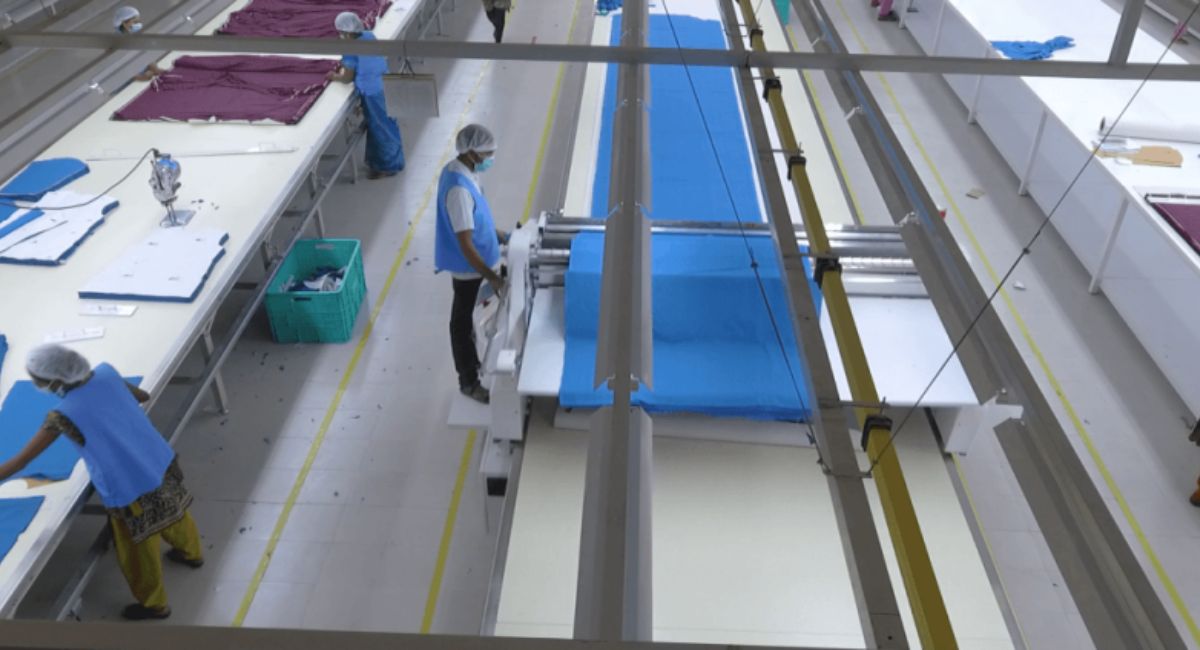
4. Cutting Process
Fabric is cut precisely according to patterns using machines or manual cutting tools.
5. Stitching and Assembly
Cut pieces are stitched together using industrial sewing machines to form garments.
6. Finishing
Final touches like ironing, button attachment, labeling, and trimming are completed.
7. Quality Control
Each garment is checked for defects, stitching errors, and finishing quality.
8. Packaging and Delivery
Finished garments are packed and prepared for shipping to retailers or export clients.
Key Features of Garments Manufacturer
- Advanced production machinery
- Skilled workforce
- Large-scale production capacity
- Custom design flexibility
- Quality assurance systems
- Timely delivery process
- Fabric variety handling
- Export-standard production
- Private label services
- Sustainable manufacturing options
Benefits of Garments Manufacturing Industry
- High profit potential business
- Global export opportunities
- Job creation in multiple sectors
- Strong market demand worldwide
- Scalable production system
- Low to high investment options
- Brand development support
- Flexible customization options
- Growing fashion industry demand
- Technology integration opportunities
Importance of Garments Manufacturing
The garments manufacturing industry is a key part of the global economy. It contributes significantly to exports, employment, and industrial development. Many developing countries depend on this sector for foreign exchange earnings. It also supports fashion brands by providing reliable production solutions at competitive costs.
Challenges in the Industry
- Rising raw material costs
- Skilled labor shortages
- High global competition
- Quality control issues
- Delivery time pressures
- Need for modern technology upgrades
Future of Garments Manufacturing
The future of garments manufacturing is moving toward automation, digital design systems, and sustainable production methods. Eco-friendly fabrics, smart clothing, and AI-based production planning are shaping the next generation of this industry. Businesses that adopt innovation will stay competitive in the global market.
FAQ’s
1. What does a garments manufacturer do?
A garments manufacturer converts raw fabric into finished clothing through processes like designing, cutting, stitching, finishing, and packaging for retail or export markets.
2. Is garments manufacturing a profitable business?
Yes, it is highly profitable due to strong global demand, export opportunities, and scalable production models when managed with quality and efficiency.
3. What industries use garments manufacturers?
Fashion brands, retail companies, sports companies, corporate sectors, and export businesses all rely on garments manufacturers for clothing production.
4. What is the most important stage in manufacturing?
Quality control is the most important stage because it ensures that finished garments meet required standards and customer expectations.
5. What is the future of garments manufacturing?
The future includes automation, sustainable fabrics, AI-based production systems, and eco-friendly manufacturing practices to meet global fashion demands.
Conclusion
Garments manufacturing is a powerful and essential industry in the global fashion supply chain. It transforms ideas into wearable products through structured production processes. With growing demand, technological advancements, and sustainability trends, this industry offers strong business potential. Companies focusing on quality, innovation, and efficiency can achieve long-term success in this competitive market.


-2-768x512.webp)